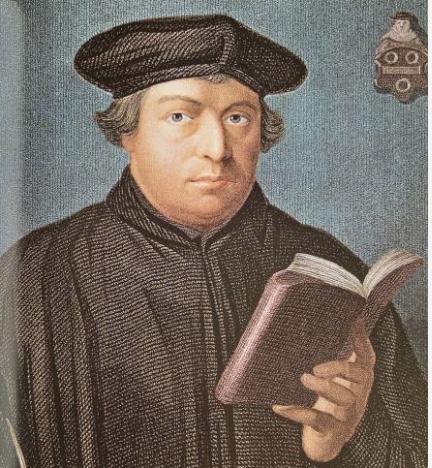
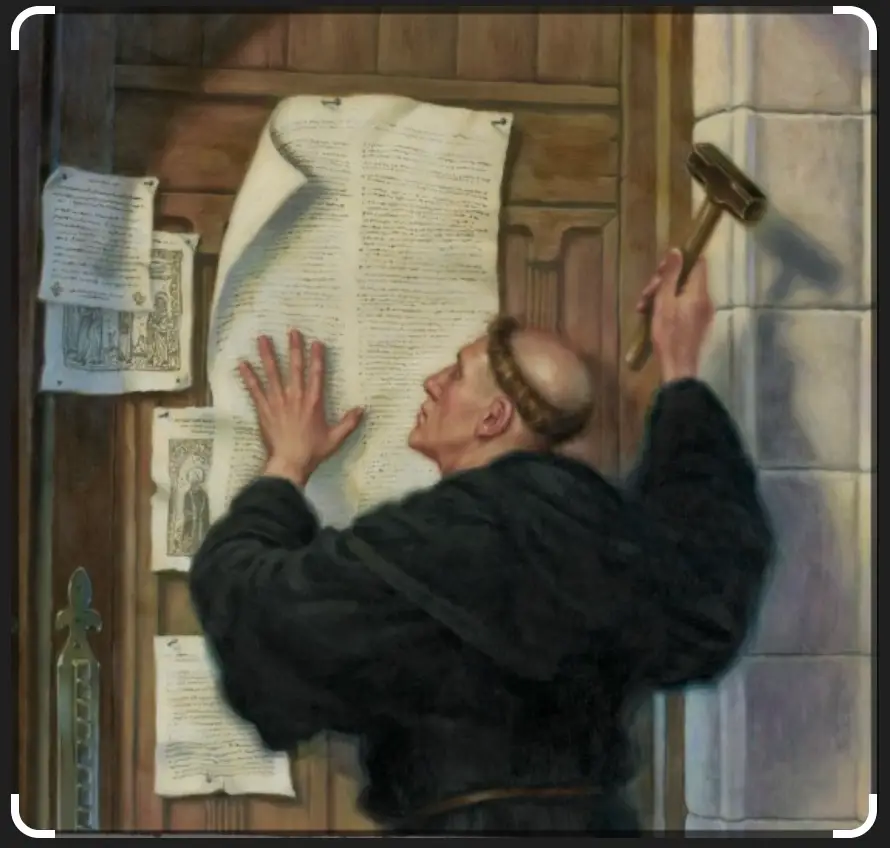
Martin Luther’s 95 Theses, written in 1517, were a list of propositions protesting the Catholic Church’s corrupt sale of indulgences. Luther argued that forgiveness cannot be bought, true repentance is lifelong, and the Pope has no power over purgatory. This document sparked the Protestant Reformation.
Core Arguments and Themes
The Invalidity of Indulgences: Luther heavily criticized the selling of indulgences (certificates reducing a soul’s time in purgatory), especially the aggressive marketing by church officials to fund the rebuilding of St. Peter’s Basilica. [1, 2, 3]
True Repentance: He argued that a genuine, lifelong inward repentance is required for forgiveness, not just the purchase of a paper. [1, 2]
Limits of Papal Power: Luther maintained that the Pope has no jurisdiction over the afterlife or purgatory and cannot remit God’s punishment. [1, 2]
Financial Exploitation: He condemned the practice of extracting money from poor peasants under the false promise that it could buy salvation for themselves or their deceased loved ones. [1, 2]
Historical Impact
While initially intended as an academic debate, the 95 Theses were translated, printed, and widely circulated. This rapid spread ultimately led to Luther’s excommunication and the birth of Protestantism. [1, 2, 3]
To read the propositions in detail, you can explore the full text and historical context provided on the Britannica Ninety-five Theses page.